


By Sukainah Abid-Kons, contributor
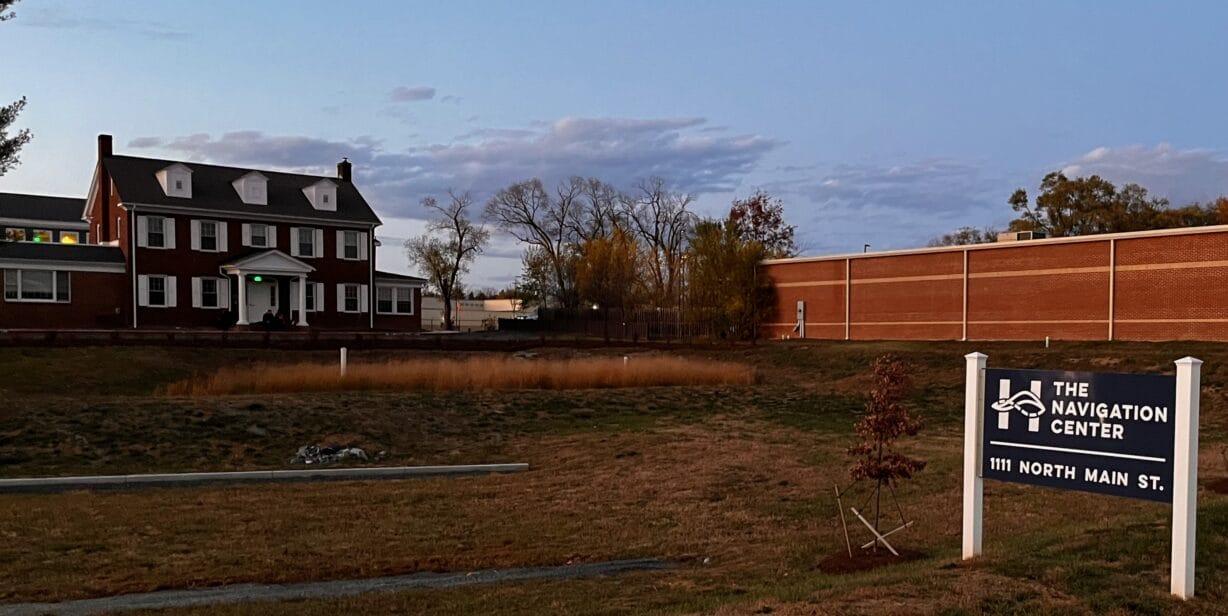
The city’s nearly one-year-old Navigation Center, which is aimed at helping those struggling with housing, sits at the end of a long driveway off North Main Street. Its exterior is lined with potted plants that offer a splash of color to the white building. Inside, chairs line the walls to seat those waiting to check in, and a common room offers those seeking daytime or overnight services a place to sit and socialize. In a separate part of the building, the sleeping area holds neat rows of beds, each with a storage locker, bedside table and a small closet.
“You can find every type of person from every type of background here,” said Nate Riddle, executive director of Open Doors, the nonprofit organization that runs the center.
The Navigation Center, which the city built using federal funds from the American Rescue Plan Act, opened last winter and offers a beds and comprehensive services for people of all genders for a fixed period of time — practices that are rooted, as Riddle put it, in “radical hospitality.”
Riddle says that as long as someone is over 18 years old and experiencing homelessness, they can get a bed. Unlike other shelters, which may cater more towards women and children, Open Doors is considered a low-barrier shelter, which means it doesn’t reject someone seeking their services because of a history of drug use, a criminal record or being on the Sex Offenders Registry.
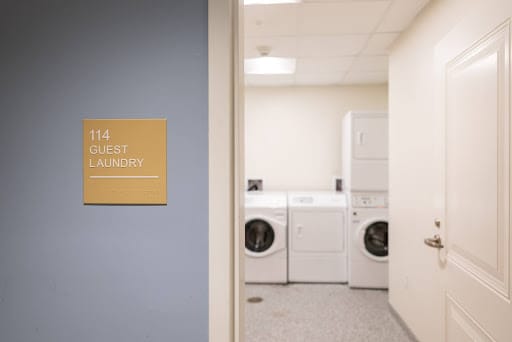
During the day, the center is open to all who need its services, regardless of whether they’re facing homelessness or not. Riddle said because of economic circumstances some area families also have started coming to the center to do their laundry.
Once someone checks into the Navigation Center, they will have their bed for 90 days. Riddle said that, along with the men’s and women’s quarters, the center also has eight private rooms to offer support to those who need the space because of health complications, their gender identity or accessibility needs.
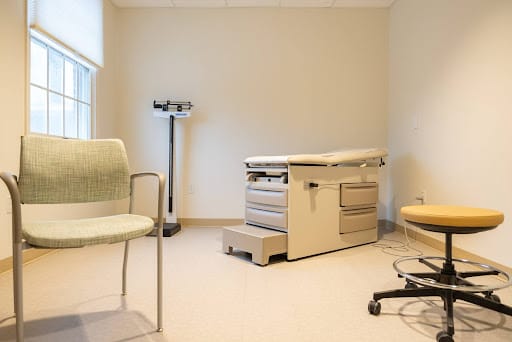
In addition to having a place to sleep each night, the center provides other services, including medical checks, updated job listings, and the opportunity to work with a social worker. Riddle said that while all residents are encouraged to use these resources, no one is forced to do so. However, many people who come through the Center are motivated to find work and housing again.
The Navigation Center’s set-up also encourages peer-to-peer mentoring. Often, people who have experienced chronic homelessness — such as for more than a year — will struggle with skills like organization and cleanliness once they’re housed again. At Open Doors, residents can help one another re-adjust to routines such as making their beds, organizing their clothes, and keeping their space tidy. This way, when someone finds more permanent housing, they are better equipped with the skills to care for that space.
The Navigation Center has also worked with both the Harrisonburg police and fire departments to better serve the local homeless community.
Fire Chief Matthew Tobia said the department has a “longstanding relationship” with Open Doors, which has only strengthened since the Navigation Center’s opening, most notably, through the Community Paramedic Program, which helps with health care.
Those experiencing homelessness often face a higher rate of health complications and co-morbidities — underlying medical conditions like hypertension and diabetes — and, at the same time, they are also often distrustful of people in public service, such as paramedics, Tobia said.
By having people from the Community Paramedics program visit the center on a regular basis, they can build trust between the local homeless community and those who want to help them.
Tobia said in the past year, he has seen the center “yielding measurable benefits” to the unhoused population in Harrisonburg.
Capt. Charles Grubbs of the Harrisonburg Police Department said the center also provides a place for police officers to take people in need because first responders are often interacting with those experiencing homelessness.
While the solutions-based approach through Open Doors is helping residents in finding work and housing, homelessness is still an issue on the rise across the country. Along with the cost of living increasing, life itself is becoming increasingly unaffordable for many people.
“The issue of affordability is far-reaching, even beyond the housing conversation,” Riddle said.
He said one trend he’s seeing that’s particularly concerning is the growing number of elderly people becoming homeless.
Matt Tibbles, executive director of the nonprofit organization Our Community Place, also has seen that trend. Even with resources provided in Harrisonburg, homelessness and housing insecurity is becoming a bigger concern, he said.
“This is a pretty significant issue in Harrisonburg and Rockingham County,” Tibbles said.
Through interacting with the homeless community, OCP estimates that there are at least 95 people in harrisonburg that are unhoused, Tibbles said.
Even with housing insecurity being a persistent issue across the country, Tibbles has been impressed with the work that Open Doors has done in the past year, calling the Navigation Center “a huge blessing to this community.”
Clarification: This article has been updated to clarify how OCP estimates the number of unhoused people in Harrisonburg and to make it clear that OCP doesn’t have an overnight shelter.
Thanks for reading The Citizen, which won the Virginia Press Association’s 2022 News Sweepstakes award as the top online news site in Virginia. We’re independent. We’re local. We pay our contributors, and the money you give goes directly to the reporting. No overhead. No printing costs. Just facts, stories and context. We value your support.